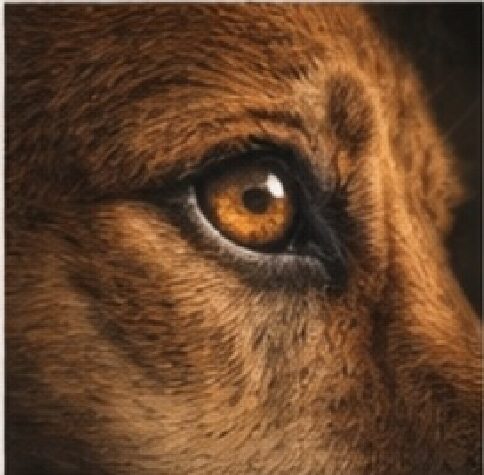
There is a quiet moment known to anyone who has loved an animal: the recognition in their eyes. It is not merely instinct. It is not simply a reaction. It is something deeper—something that feels, unmistakably, like memory.
But what does it mean for an animal to remember?
In classical theology, memory is not a single faculty but a layered one. Thomas Aquinas distinguishes between intellectual memory—rooted in the rational soul—and sensitive memory, which belongs to animals. Animals, therefore, remember not as we do through abstraction and reasoning, but through impression, association, and experience.
And yet, this distinction, while precise, does not diminish the reality of their remembering. If anything, it clarifies it.
An animal remembers through presence. Through the body. Through repeated encounters. The dog that waits at the door at the same hour each day is not merely conditioned—it is oriented. The cat that returns to the place where it was once comforted is not merely navigating—it is recalling.
Their memory is not lesser. It is different.
Modern science confirms that animals form long-term bonds, recognize individuals, and retain emotional associations over extended periods. But theology asks a deeper question: what is the nature of this memory within the soul?
If the animal possesses a sensitive soul—one that animates, perceives, and feels—then memory is not incidental. It is integral to its being. It allows continuity of experience. It binds moments into something resembling a life.
And this raises a more difficult, more human question:
Do they remember us after separation? After a loss? After death?
Here, theology becomes more cautious.
The tradition does not affirm that animals possess an immortal soul in the same way humans do. Their souls do not subsist independently. And yet, creation itself is not discarded. Scripture points not to annihilation, but to renewal—a restoration of all that God has made.
If there is continuity in creation, then memory, too, may not be meaningless.
Perhaps what we experience in the gaze of an animal is not simply biological recall, but participation in a created order where nothing given in love is entirely lost.
We remember them.
And in some way—whether through time, through creation, or through God’s own keeping—they remember us.