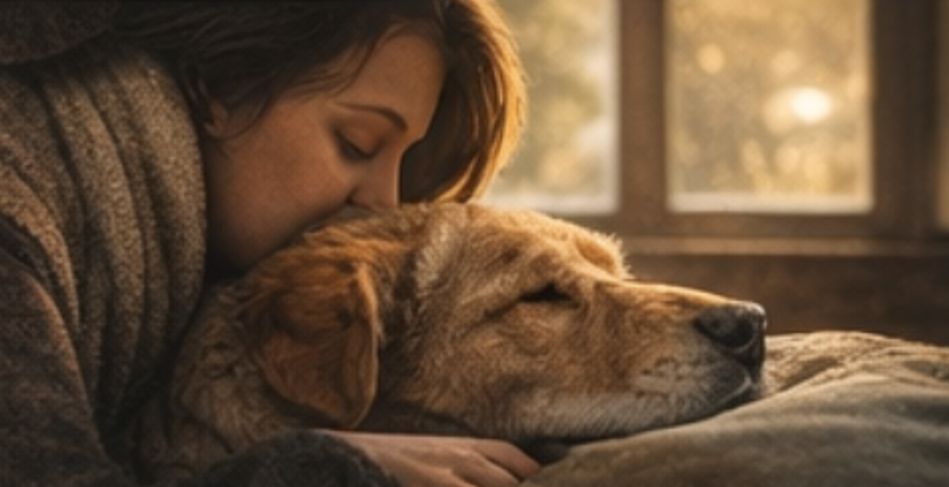
Resurrection, properly understood, is not escape.
It is not the abandonment of creation in favor of something purely spiritual, nor the dissolution of the material into abstraction. It is, instead, the restoration of what has been fractured—the reconstitution of a world that was never meant to remain as it is.
And yet, when we speak of resurrection, we tend to speak almost exclusively of ourselves.
Human bodies restored. Human souls reunited. Human destiny fulfilled.
But Scripture, in its more expansive moments, resists this narrowing. “The creation itself will be set free from its bondage to decay” (Romans 8:21). This is not metaphor alone. It is a claim about the scope of redemption.
Creation—not merely humanity—awaits renewal.
Where, then, do animals stand within this horizon?
Classical theology, again following Thomas Aquinas, does not assign animals an immortal destiny in themselves. Their souls do not subsist after death. They are not resurrected as individuals in the same way human persons are.
And yet, this is not the end of the question.
Because resurrection is not simply about the persistence of individuals. It is about the restoration of creation as a whole. And if creation is restored, it is not restored in abstraction, but in form.
Isaiah’s vision is often read symbolically, but it is difficult to dismiss its imagery entirely: “The wolf shall dwell with the lamb… and a little child shall lead them” (Isaiah 11:6). This is not merely about peace among nations. It is about the reordering of creation itself.
A world in which predation is no longer necessary.
A world in which fear is not structurally embedded into life.
A world in which animals remain—transformed, but not erased.
The question, then, is not whether this animal returns, as we remember it.
The question is whether the kind of being we call “animal” has a place in the renewed order of creation.
And here, theology becomes less definitive—but not silent.
If nothing created by God is without purpose, and if resurrection fulfills rather than negates creation, then it is difficult to imagine a restored world that excludes an entire order of living beings.
Not because we desire it sentimentally.
But because their existence contributes to the intelligibility of creation itself.
The resurrection of Christ does not inaugurate a different world.
It begins the renewal of this one.